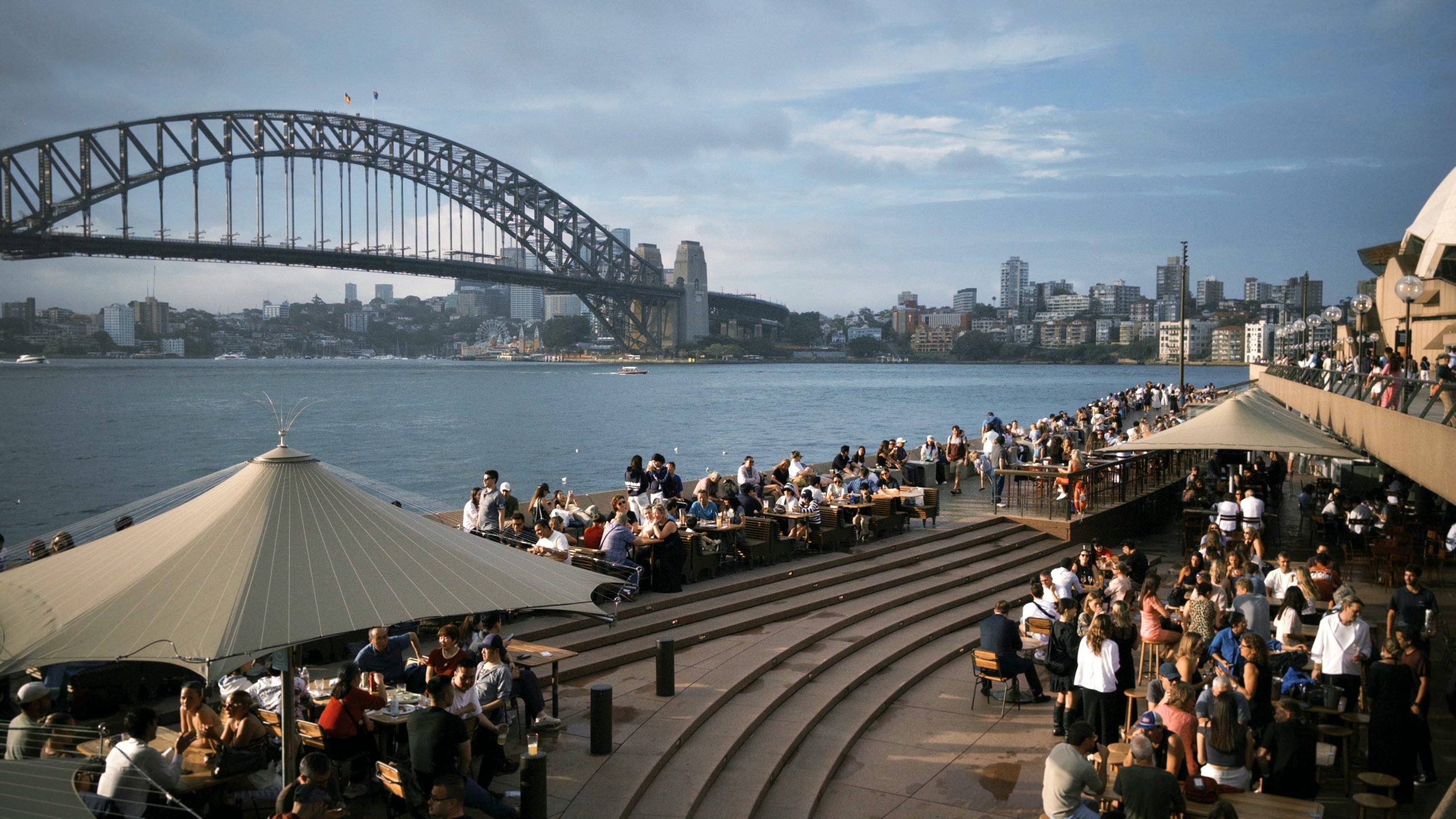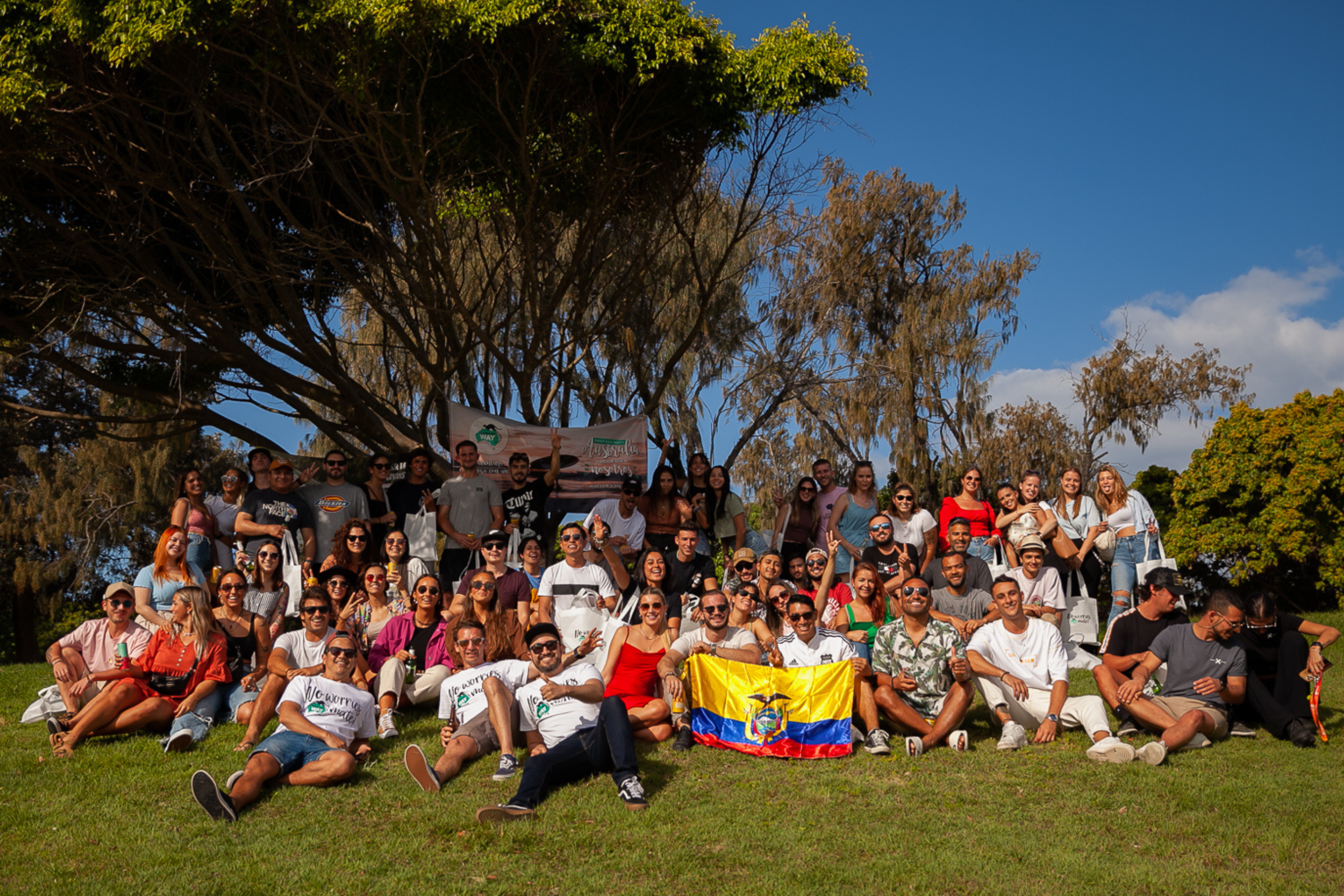
What your first six months really look like: finding a room, working out the bus, paying for groceries and discovering how life in Australia works.
Most students land in Australia with their studies and visa planned, and little else. The rest, finding a room, getting a phone plan, working out transport, settling into the daily rhythm, happens in the first month. Usually all at once. This guide is the shortcut: how renting really works, what daily life costs, which paperwork you need, and what your first six months actually look like.
What living in Australia is really like
Living in Australia as an international student is organised around three practical things: where you live, how you get around and the rhythm of the week. The rest falls into place once those three are sorted.
The culture is English-speaking, direct and friendly. People work 9 to 5 and the weekend is a real weekend: many businesses close on Sunday afternoon and Sunday brunch is close to a religion. The big cities have tens of thousands of international students, so you'll rarely be the only newcomer in the room.
The first month is the hardest. Finding a room, opening a bank account, getting your TFN, setting up your phone, learning the public transport. The second month is easier: you have a routine. By the third month, the city feels like yours.
Finding a place to live
Housing is the biggest piece of the puzzle. It's also the part where most students arrive without a plan and sort it out within the first two weeks.
Where people actually live
Most international students live in a share house: a house or flat with two to five flatmates, each renting their own room and sharing the kitchen, living room and bathrooms. It's the cheapest way, the most social, and the standard for at least the first year.
The four main types of housing:
- Share house. A room in a house or flat with 2 to 5 flatmates. Rent runs from $200–350 AUD a week for a shared room (two people in one bedroom) to $300–550 AUD a week for your own. The cheapest option, the most common and the quickest to find.
- Studio or one-bedroom flat. All yours, no flatmates. $400–800 AUD a week depending on the city and the neighbourhood. Higher upfront cost (bond, application process) and a typical 12-month lease.
- Homestay. You live with a local family who provide a room, meals and a soft cultural landing. $300–400 AUD a week, meals included. The best option if you arrive with very little English; the rest of the city is a bus ride away.
- Student residences. Buildings affiliated with universities or schools, with rooms, shared kitchens and a built-in community. $350–700 AUD a week depending on the building and the city. Limited places; you usually need to book months ahead.
Most students start out in an Airbnb or a hostel for the first few days: a good way to meet other new arrivals while you look for a room. For shared rooms, always visit before you pay. Scams exist, and paying upfront without seeing the place is the most common red flag.
How to actually find a room
Four routes work better than the rest:
- Flatmates.com.au. The dominant share-house platform in Australia. Free to browse, paid to message multiple properties. Most students pay for one month while they search.
- Facebook and WhatsApp groups. Search "international students [your city]" and "flatshare [your city]"; both have constant listings, as do WhatsApp groups by nationality or by school. Move fast; rooms go in days.
- Gumtree. Rougher round the edges than Flatmates but still works, especially for cheaper rooms in older neighbourhoods.
- Word of mouth. Tell your classmates, your school and your welcomer. The best rooms often never get listed.
What you need to get in
For a share house you usually need:
- An Australian mobile number (any prepaid SIM works from day one).
- A short introduction: who you are, what you're studying and how long you're looking to stay.
- Photo ID (your passport works).
- Cash or a transfer ready for the bond + 2 weeks' rent upfront.
For a private rental (studio or one-bedroom flat), the bar goes up:
- A formal rental application (cover letter, references, proof of income).
- A guarantor, or 4 to 8 weeks' rent upfront instead of references.
- An Australian bank account.
- Solid English.
Bond and paying rent
Rent in Australia is paid weekly or fortnightly and in advance, not monthly. The bond is a deposit held by the state government's bond authority (usually 4 weeks' rent) and returned when you leave, if the place is clean and undamaged. The first month in a private rental means bond + 2 to 4 weeks' rent upfront, so allow $1,500–3,000 AUD to get in. Share houses are easier: usually bond + 1 week's rent.
Neighbourhoods
Every city has its student neighbourhoods and its expensive ones. The general pattern: the closer to the centre or the beach, the higher the rent; suburbs along the train or tram lines stay affordable without being central. The suburb-by-suburb breakdown is in our Cities in Australia guide and on each individual city page.
What daily life costs
Once rent is sorted, the rest of the budget is fairly predictable. Typical weekly costs for a single international student:
- Groceries. $80–130 AUD a week if you cook at home most nights. Coles and Woolworths are the two big supermarkets; ALDI is cheaper. The weekend fresh-produce markets are cheaper still and better quality.
- Public transport. $30–50 AUD a week depending on the city. Most cities have a weekly cap, so after a certain number of trips your travel is unlimited.
- Phone. $30–50 AUD a month for a prepaid SIM with generous data. We help you set up the SIM in your first days.
- Home internet. $60–90 AUD a month, usually split between flatmates. Many share houses include it in the rent.
- Coffee and eating out. A flat white runs $5–7 AUD. A casual meal is $15–25 AUD. Dinner out is $25–50 AUD depending on the neighbourhood. Pub dinner on a Tuesday or Wednesday is often half price: a student tradition.
- Going out. A beer at the pub is $10–15 AUD. A cocktail is $20–25 AUD. A cinema ticket is $20–25 AUD. The gym is $15–30 AUD a week.
Realistically, students who cook at home most nights, share rent and use public transport spend $400–600 AUD a week in total, rent included. Those who eat out more often or live alone spend $700–1,000 AUD.
The budget most people settle into: rent and groceries covered by what you earn working, the odd night out covered by savings until the second job comes along, and the big expenses, like trips or a new phone, covered by separate savings.
Getting around the city
Australia is a huge country, bigger than continental Europe, but each city has its own self-contained transport system. You won't drive much in your first year unless you're in Perth, Gold Coast or Adelaide.
Public transport, city by city
Each city has its own card, but they all work the same way: tap on as you board, tap off as you get off, and daily and weekly caps mean you stop paying after a certain number of trips.
- Sydney: Opal card. Trains, buses, ferries, light rail. Daily cap around $18 AUD, weekly around $50 AUD.
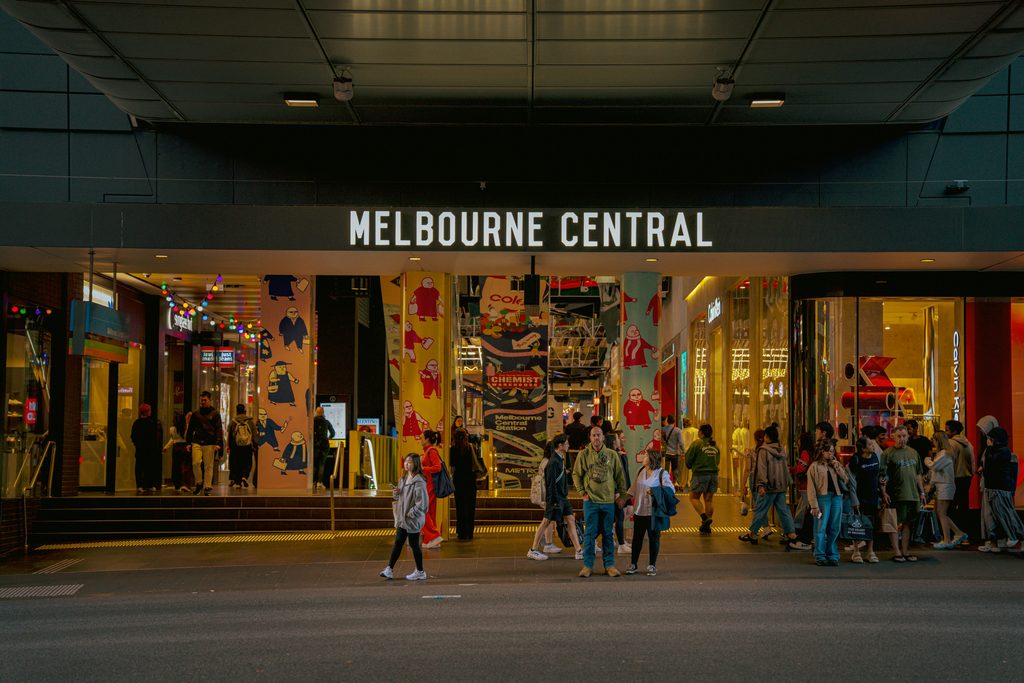
- Melbourne: Myki. Trams, trains, buses. Free Tram Zone in the CBD: no need to tap on inside the central grid.
- Brisbane: Go card. Trains, buses, ferries, CityCats.
- Perth: SmartRider. Trains, buses. The Free Transit Zone covers the CBD.
- Adelaide: metroCARD. Trams, trains, buses. The free city bus loops through the central area.
- Gold Coast: Go card. Light rail and buses. The tram runs along the beach strip.
- Byron Bay: limited public transport. Most students walk or cycle; one bus line connects the nearby towns.
Driving
Most students don't drive in their first year. Cars are expensive: registration ("rego"), petrol, insurance and parking add up, and public transport in the big cities is good enough that you don't need one. Scooters are more common in Sydney because of the traffic; on the Gold Coast and in Byron Bay a car is more usual among students for reaching the beaches and nearby towns. If you want to drive, your home licence is usually valid for the first three months (longer in some states); after that you have to convert it or sit the Australian test. The conversion process varies by state.
Cycling
Melbourne and Brisbane are bike-friendly cities, with dedicated lanes and an active cycling culture. Sydney has hills but is doable. Gold Coast and Byron Bay are flat and made for a beach cruiser.
Travelling between cities
For long distances, domestic flights are the standard option. Sydney–Melbourne is one of the busiest routes in the world; tickets come cheap if you book ahead. The main airlines are Qantas, Virgin Australia, Jetstar and Rex.
For cheaper travel up the east coast, Greyhound buses cover Sydney–Brisbane–Cairns. There are trains between the big cities but they're slow and not much cheaper than flying.
The paperwork you'll need
Beyond the rent, there are five practical tasks most students get moving in the first two weeks.
OSHC (Overseas Student Health Cover). Compulsory for the full length of your student visa. It covers doctor visits, hospital stays and some prescriptions; dental, optical and physio are extra. The two providers we work with are Bupa and Allianz. Claims go through the provider's app and the money comes back to your account.
Bank account. We help you open an account with Commonwealth, completely free, in your first days after landing. You can start the process online before you travel or do it at the branch with us. Bring your passport, your visa and your address in Australia.
TFN (Tax File Number). Essential for an employer to pay you properly. Free, applied for online at the Australian Tax Office (ato.gov.au), and it takes about two weeks. We help you get it in your first days.
Phone. We help you set up your SIM in your first days. Any prepaid plan works from the day you land: your passport and your address in Australia are enough. A phone number is what you need before applying for a room, a bank account or a job.
A note on emergencies: dial 000 for police, ambulance or fire. It's the equivalent of Europe's 112 or America's 911.
Community and lifestyle
Living in Australia is more than rent and a bus card. What students remember most when they go home isn't the paperwork, it's the lifestyle and the people they met along the way.
The international community
Every big city has an international student community in the tens of thousands, with weekly meetups, sports leagues and Facebook and WhatsApp groups for almost every country. By your third month, you've found your circle.
The outdoor culture
Outdoor life is central, not optional. The beaches, with public barbecues and changing rooms, are free to use. The year moves with the seasons: beach and barbecues in summer, hiking and road trips in autumn, pubs in winter, festivals in spring. The east coast road trip from Sydney to Cairns is the rite of passage almost every student does at some point.
Coffee, food and pub culture
The coffee culture has few rivals: the flat white is close to an institution, and weekend brunch is a ritual of its own (Melbourne above all). The food is shaped by Asian and Mediterranean migration. Pubs are the social anchor: Thursday is the big night out, "parma night" deals run midweek, and many host weekly international meetups.
Sport, festivals and the weekend rhythm
Sport is woven into the calendar: AFL in Melbourne and the south, rugby league in Sydney and Brisbane, and cricket all summer. Even if you never watch a game, you absorb the rhythm. The calendar has fixed headline events: the Australian Open (January, Melbourne), Formula 1 (Melbourne, March), Mardi Gras (February–March, Sydney), Vivid Sydney (May), the Melbourne Comedy Festival (April) and Lunar New Year (February). Further ahead, the Brisbane 2032 Olympics are already marked in plenty of calendars. Many events are free or have student pricing.
By the end of your first year you'll know what a weekend should feel like, you'll have your coffee order, and you'll know which beach is "yours". That's the part most people stay for.

How Australian Way helps you
Seventeen years, more than 12,000 students, three countries. Daily life in Australia is the part of the trip where having someone at the other end of the phone matters most.
We start with the free 15-minute call. By the time you hang up you'll know your landing plan: hostel, short-term Airbnb or student residence for the first few weeks. We talk budget, city and the realistic timeline for finding a share house once you're in Australia.
For the first few weeks we recommend hostels with an international student community in your city. Landing in a hostel puts you alongside other students who've just arrived like you, in the middle of the same room hunt.
When you land, someone from the team meets you in your destination city. They go with you to open a bank account, get a SIM and a transport card, and find your neighbourhood supermarket. The first week is the steepest learning curve; you don't do it alone.
On the room hunt itself: we don't promise specific properties (no agency can) but we tell you what we know about every neighbourhood in your city, which platforms to use first, how to write a rental cover letter, and which weeks of the year are easier than others. Most students find a share house within their first three weeks.
If something goes wrong (a difficult flatmate, a dispute with the landlord, a sudden need to move) we're still here. The relationship with your welcomer doesn't expire after the first week.
A real person, in your city, all year round.
Frequently asked questions
How much money should I have before landing? Allow a minimum of $5,000–7,000 AUD for the first two months. That covers the visa's financial proof, the move-in costs (bond + first month's rent) and a cushion to live on before your first payday. Bring more if you're starting in a private rental rather than a share house.
Do I book accommodation before I leave or when I land? We usually recommend booking the first two to four weeks before you travel (hostel, short-term Airbnb or student residence; residences are usually booked by the month or for a full year) and looking for the long-term share house in person, once you're in Australia. The good rooms go to the people who can turn up and view them.
What's the cheapest city to live in? Adelaide and Perth are usually the most affordable. Brisbane and Gold Coast sit in the middle band. The biggest cities are the most expensive, in both rent and daily life.
Is Australia a safe country? Australia is one of the safest countries in the world to live and study in. It's normal to see someone leave their laptop in a café while they go to the bathroom, or houses left unlocked. The everyday level of trust is something most students notice from day one.
What about the wildlife: snakes, spiders, sharks? Real, but mostly in suburban or remote areas; you won't run into them in the city centres. The beaches are patrolled by lifeguards; swim between the flags. Snakes and spiders indoors are rare; if you find one, call pest control.
How does the weather actually work? The seasons are flipped from the northern hemisphere: summer runs December to February, winter June to August. The north of the country is tropical (Cairns, Darwin); the south is temperate (Melbourne, Hobart). Sydney and Brisbane are subtropical: hot summers, mild winters. Perth has a Mediterranean climate. Pack accordingly.
Can I bring my partner or children? The Student Visa lets you add a partner and dependent children to your application. There are extra fees and higher financial proof requirements.
Can I bring my dog or cat? Technically yes, but the quarantine process is long (usually months), expensive (thousands of dollars) and only makes sense for a long-term move. Most students leave their pets at home.
How does the post work? Can my family send me packages? Australia Post is reliable. International packages from Europe or South America take 2 to 4 weeks. Customs charges apply to shipments over $1,000 AUD. Small everyday packages come through without trouble.
What's the social scene like? Pub culture is real and central: Tuesday and Wednesday are the quiet weeknights; Thursday is a big social night. Outdoor activities (beach, trails, festivals) shape most weekends. There are international student events all year round in every city.
Do I need fluent English to live there? For daily life (supermarket, public transport, ordering a coffee) basic English is enough. For finding a share house, dealing with a landlord or sorting out a phone bill, intermediate English makes life much easier. By the third month, most students feel a clear jump in confidence.
Ready to start?
A 15-minute call. We talk through the country, the city, the housing plan and what your first six months will look like. By the time you hang up, you'll know what to expect.