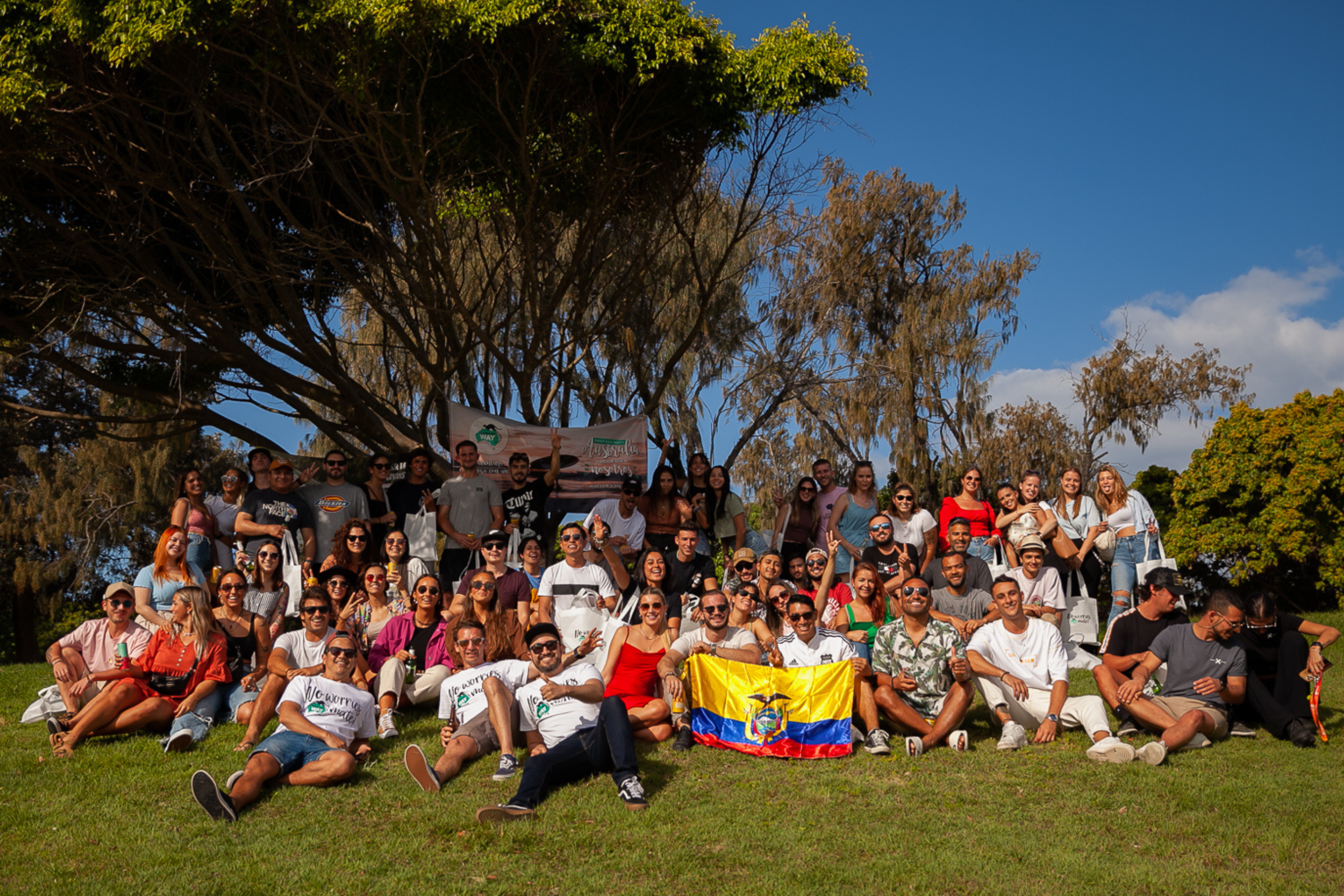
Everything you need to know about working while you study in Ireland: how many hours you can work, what you'll really earn, how tax works and where to find your first job.
If you're thinking about studying in Ireland, there's probably one question on your mind from the start: will I be able to work to help pay for my stay?
The answer is yes.
In fact, most international students combine their studies with a part-time job. It's a way to gain experience, improve your English and cover a good part of your day-to-day costs.
Before you start, though, it helps to understand how the Irish job market works.
How many hours can you work? What will you really take home? What tax comes out of your payslip? What is the PPSN and why does everyone talk about it?
In this guide we answer all of those questions, so you arrive in Ireland knowing exactly what to expect in your first months.
Can I work while I study in Ireland?
Yes, though the conditions depend on your nationality.
If you're a citizen of the European Union, you can work in Ireland without applying for a work permit and with no specific limit on your hours.
If you come from a country outside the European Union and study on a Stamp 2, you can work up to 20 hours a week during term time and up to 40 hours a week during official holiday periods.
It's important to respect these limits. The Stamp 2 is designed so your studies come first, and working more hours than allowed can put your permit at risk.
Many students use this time to gain work experience, improve their English and cover part of their costs while living in Ireland.
What jobs do students get in Ireland?
Ireland has job opportunities all year round and, with decent English and a good attitude, finding a first job is usually quicker than most people expect.
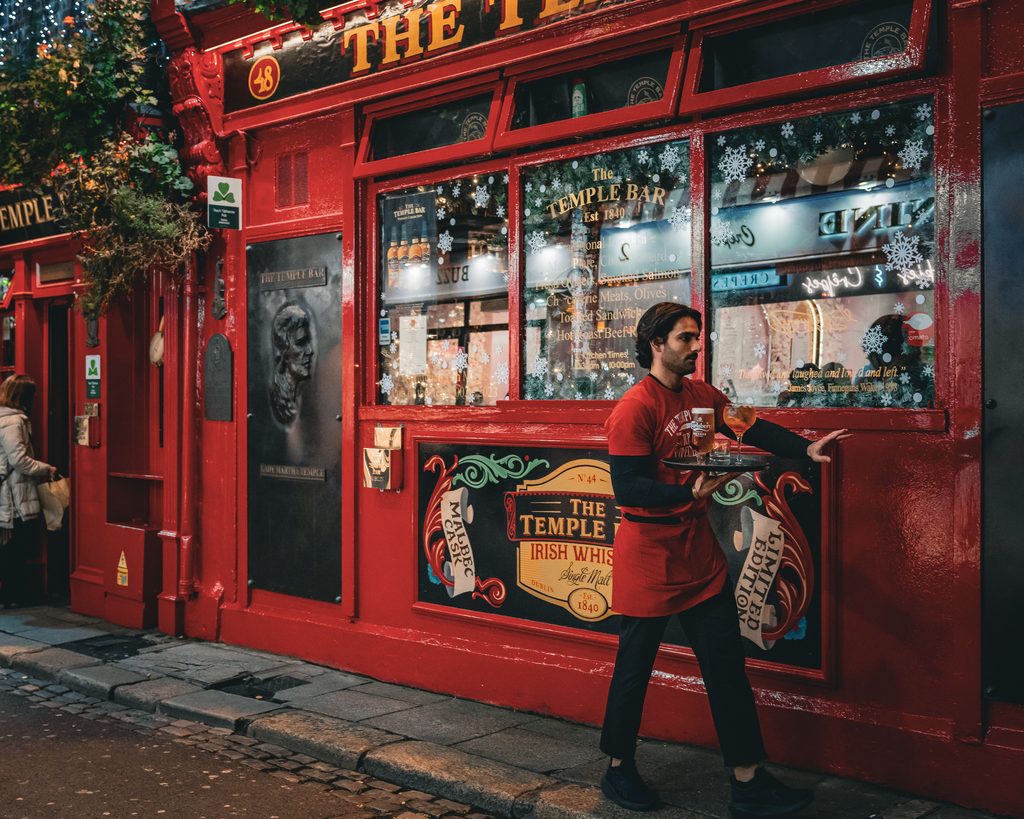
Most students start out working in hospitality. Cafés, restaurants, pubs and hotels are constantly hiring and usually offer shifts that fit around classes.
The retail sector is also a very common option. Supermarkets, clothes shops and department stores need extra staff regularly, and they especially value availability and willingness to work.
As the months pass and your English improves, many students move up to better-paid roles. Dublin, for example, hosts the European headquarters of many international companies where speaking Spanish can be a real asset for customer service, sales or support roles.
Don't worry if your first job isn't the dream one. The usual path is to start with a job that helps you settle into the country and, once you have experience and more confidence with the language, move on to new opportunities.

How much do you earn working in Ireland?
Ireland has one of the highest minimum wages in the European Union, one of the reasons so many students choose to combine their studies with a part-time job.
Your pay will depend on the sector, the city you live in, your experience and how many hours you work. In some jobs, especially hospitality, tips often top up your wage.
If you're studying on a Stamp 2 and work the permitted hours, you can earn enough to cover a good part of your monthly costs, like accommodation, transport and groceries.
That said, travel with enough budget for your first months. Finding work usually doesn't take long, but it's wise to have a financial cushion while you settle in, do interviews and land your first job.
Most companies pay wages by bank transfer, usually weekly or fortnightly.
How tax works in Ireland
One of the first surprises when you start working in Ireland is that the salary in the job offer won't be exactly the money that lands in your bank account.
As in most countries, tax and mandatory contributions come out of your pay before it reaches you.
The three deductions you'll see most often on your payslip are PAYE, USC and PRSI.
You don't need to memorise the names. What matters is understanding what each one means and how it can affect your pay.
PAYE
The PAYE (Pay As You Earn) is Ireland's income tax.
How much you pay depends on your annual income. If you only work the hours allowed on a student permit, you may pay very little of this tax, and you might even get money back if too much was withheld.
USC
The USC (Universal Social Charge) is a contribution that helps fund a range of public services.
Not every worker pays the same amount. What you pay depends on how much you earn over the year.
PRSI
The PRSI (Pay Related Social Insurance) is the contribution to the Irish social security system.
It funds benefits like certain unemployment supports, sick pay and pensions, as long as you meet the requirements set by Irish law.
In practice, when you get your first payslip you'll see these three deductions itemised next to your gross and net pay.
Don't worry if the acronyms feel hard to follow at first. That's completely normal, and after the first few weeks they'll feel as familiar as income tax and social security back home.
What is the PPSN and why do you need it?
If you're going to work in Ireland, there's one document you should apply for as soon as possible: the PPSN (Personal Public Service Number).
It's a personal identification number you'll need to work legally, pay tax and handle a lot of the admin during your stay in Ireland.
The usual approach is to apply once you've arrived in the country and have an address where you're living.
You may be able to start work before your PPSN is issued, but apply promptly and make sure your employer follows Revenue's current registration process.
At Australian Way we'll explain when to apply, what documents you need and how to do it step by step once you're in Ireland.
What is Emergency Tax?
If you start working before your employer can properly link your job to your PPSN and your tax details, your first few payslips may include what's known as Emergency Tax.
It doesn't mean you've done anything wrong.
It simply means Revenue doesn't yet have all the information it needs to calculate your tax correctly, so as a precaution it withholds more than usual.
Once your registration is complete and your tax position is up to date, the system recalculates your tax and, if you've overpaid, you'll normally get the money back in a later payslip.
That's why it's so important to apply for your PPSN early and check that your employer has registered all your details correctly.
Can you get tax back?
Yes.
Many international students recover part of the tax withheld from them during the year.
This usually happens when you've worked only a few months, changed jobs, or had Emergency Tax applied at the start of your stay.
At the end of the tax year you can review your position and check whether you're owed a refund.
If you are, the Irish tax authority pays the refund directly.
It's a fairly routine process, and worth checking before you leave Ireland so you don't leave money behind.
How to find work in Ireland
Finding work in Ireland is usually not complicated, especially if you look in sectors where demand for staff is constant.
Most people start looking once they've arrived in the country. Some companies do advertise roles for hiring from abroad, but most prefer to interview candidates who are already in Ireland and can start quickly.
One of the keys is consistency. In your first days, spend time preparing a good CV, signing up to the main job sites and walking the city handing your CV in at the places where you'd like to work.
Many students find their first job within a few weeks, though timing varies with the city, the season and your level of English.
There's no magic formula. The more applications you send and the more interviews you do, the sooner the opportunities arrive.
How to prepare a CV for Ireland
The Irish CV is quite similar to those in other European countries: clear, simple and direct.
Write it in English and keep it to one page, especially if you don't have much work experience yet.
Include only what adds value for the role: work experience, education, languages and any skills related to the job you're going for.
It's not standard to include a photo, your date of birth or marital status, unless the company specifically asks for it.
If you've already worked with the public, in customer service, sales or hospitality, put that experience front and centre. Those profiles are highly valued for many of the jobs international students tend to get.
Where to look for work in Ireland
These days, most vacancies are posted online.
Some of the most used job sites in Ireland are Indeed, Jobs.ie, IrishJobs or LinkedIn, where new vacancies appear every day across very different sectors.
Even so, if you're looking for hospitality or retail work, handing in your CV in person is still a very effective strategy.
Many restaurants, cafés, hotels and shops like to meet candidates before starting a selection process.
Combining both approaches is usually the fastest way to find work.
Tips to land your first job sooner
Every experience is different, but a few habits tend to make the difference in the first weeks.
Improving your English before you travel will open many more doors and give you access to better-paid roles from the start.
Being flexible helps too. Your first job doesn't have to be the final one. Many students start in hospitality or retail and, as the months go by, find opportunities closer to their experience or their studies.
Finally, don't be discouraged if you hear "no" a few times at the start.
It's completely normal. Job hunting is part of settling in, and persistence usually pays off much sooner than you expect.
How Australian Way helps you
Our work doesn't end when you arrive in Ireland.
Before you travel, we help you get everything ready to start on the right foot: we answer your questions about the job market, explain how the Irish system works and walk you through the first steps to take once you land.
We also help you prepare your CV in English, understand how job interviews work and know where it's worth looking for work in the city you'll be living in.
When you get to Ireland, you can still count on us for any question that comes up during your time as an international student.
Our goal is for you to focus on settling into the country, improving your English and making the most of this stage.
Frequently asked questions about working in Ireland
Can I work from day one?
Yes, as long as you meet the conditions of your permit or, if you're an EU citizen, have the right to work in Ireland. The first thing we recommend is applying for your PPSN so your employer can set up your tax position correctly.
Do I need English to find work?
It depends on the role, but English good enough to communicate with customers and colleagues will make the search much easier and give you access to more opportunities.
How long does it take to find a job?
There's no fixed timeframe. Some students find work within the first few weeks; others need a bit longer. The city, the time of year, your English level and how persistent you are all play a big part.
Can I have more than one job?
Yes. If you're studying on a Stamp 2 you can work for more than one employer, as long as you stay within the hours your permit allows.
What happens if I'm put on Emergency Tax?
It doesn't mean you've done anything wrong. It usually happens when your tax details aren't fully registered yet. Once your information is updated, the withholding is corrected and, if you've overpaid, you can get the money back.
Do I need a PPSN before I start working?
Not always, but it's worth applying as early as you can. Having it from the start makes hiring smoother and helps you avoid higher tax withholding on your first payslips.
Ready to work in Ireland?
Working while you study is one of the best ways to make the most of your time in Ireland. It helps cover part of your costs, and along the way you'll gain international experience, improve your English and meet people from all over the world.
If you want to plan your move with peace of mind, book a free call with our team. We'll review your case, answer all your questions and help you plan every step before you travel.